How to Improve Your English Grammar: A Practical Plan [2026]
Improving your grammar is less about memorising rules and more about building habits. Plenty of learners can recite a rule they still get wrong in conversation, because knowing a rule and using it under pressure are different skills. This guide sets out a practical, realistic plan: how to notice, practise, and check grammar so that it really improves, rather than staying stuck in a textbook.
Notice grammar in real English
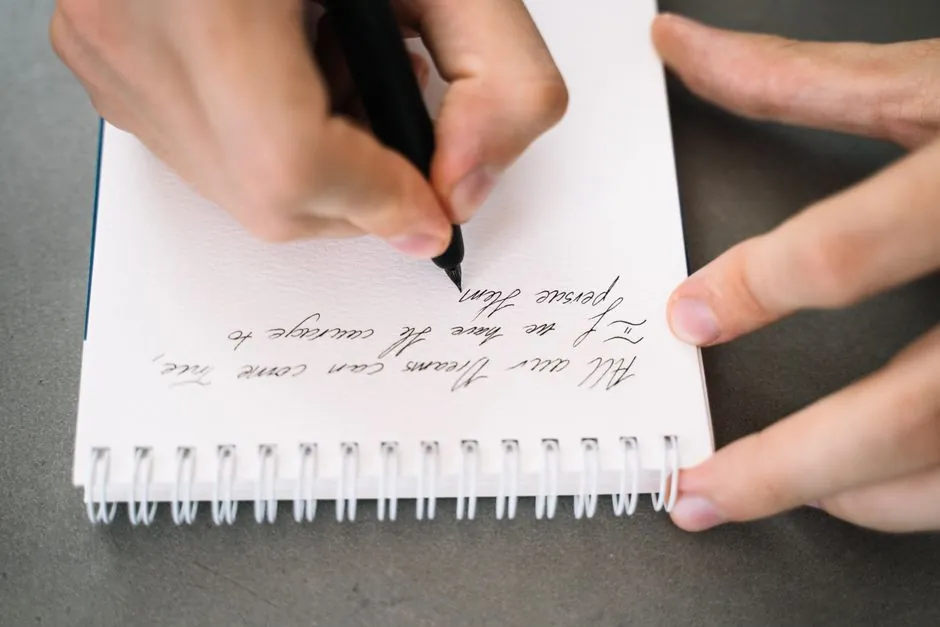
The first step costs nothing: pay attention to grammar as you read and listen. When you meet a structure you find hard, such as the present perfect or conditionals, stop and look at how it is used in a real sentence. Noticing is what turns passive exposure into learning. Keep a small notebook of examples you find in the wild, in their full sentences, rather than isolated rules.
Learn the rule, then move on quickly
Rules are a map, not the journey. Read a clear explanation of the structure you are working on, make sure you understand the basic pattern, and then stop studying the rule and start using it. Spending hours on explanations gives a false sense of progress; the real work is production.
Practise by producing, not just recognising
Recognising correct grammar in a multiple-choice exercise is far easier than producing it yourself. Push toward production:
- Write short pieces using the structure on purpose, then check them.
- Say sentences aloud, since speaking forces you to choose in real time.
- Redo a task after seeing the correct version, rather than moving straight on.
This is where most improvement really happens, because production reveals the gaps that recognition hides.
Target your weak points
Trying to fix everything at once spreads your effort too thinly. Identify the errors that either come up most often or genuinely cause misunderstandings, and work on those first. Commonly confused pairs are a good place to start, since fixing one removes a recurring mistake; our guides to distinctions like less vs fewer tackle exactly these high-frequency slips.
Check your progress honestly
Improvement is hard to feel from the inside, so build in checkpoints. Re-do a piece of writing after a month and compare, or track which mistakes have stopped appearing. An outside measure helps too. Reading widely helps as well, so try our B2 reading practice, and picking up the sayings native speakers use, in our British proverbs guide, adds natural range. Our Eng4Skills assessment grades your English across all four skills against the CEFR, so you can see how your grammar holds up in real writing and speaking, where to focus next, and how far you have come since you started.
Frequently Asked Questions

International English Test Editorial Team
ALTE Associate Member · UK English assessment provider · Est. 2023
Found this helpful? Share it: