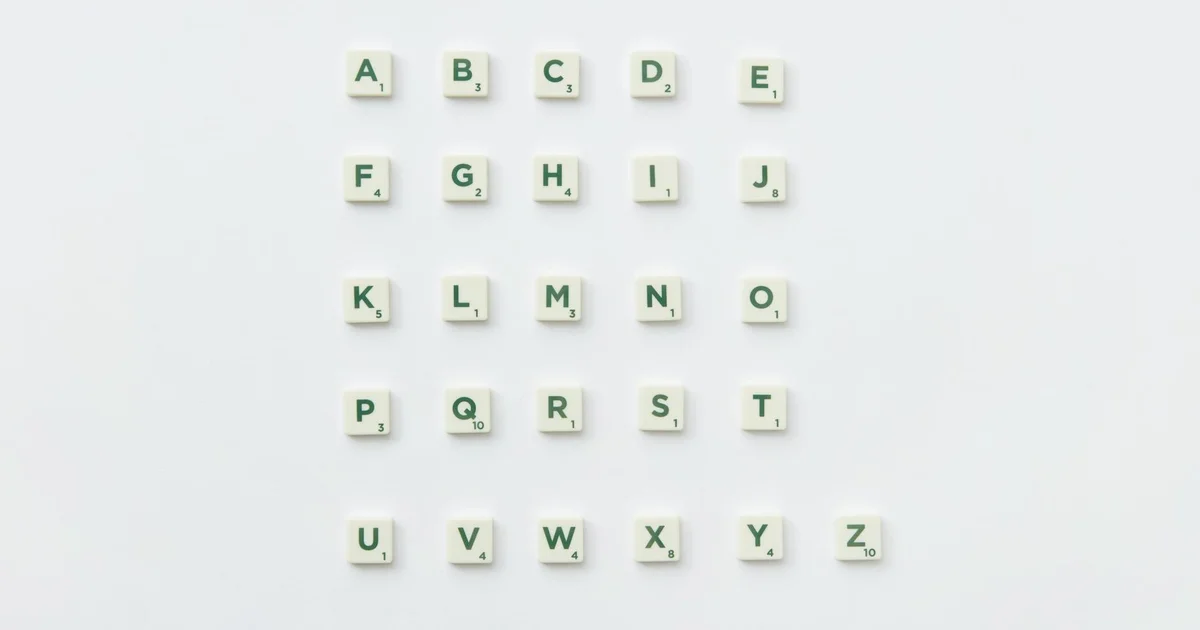
The English Alphabet
The English alphabet is the foundation of the English language. Whether you’re just starting your English learning journey or looking to reinforce the basics, mastering the alphabet is the first step to developing your reading, writing, speaking, and listening skills.
In this guide, we’ll explore the structure, pronunciation, and importance of the English alphabet, and how testing your English level with the International English Test (IET) can help you track your progress.
🔤 What Is the English Alphabet?
The English alphabet consists of 26 letters, each with an uppercase and lowercase form. These letters are used to create every word in the English language.
✅ English Alphabet Letters
🇺🇸 In American English, “Z” is pronounced “zee”.
🇬🇧 In British English, it’s pronounced “zed”.
🧠 Why Learn the English Alphabet?
Understanding and mastering the alphabet is essential because it helps you:
- Spell words correctly
- Pronounce words accurately
- Read fluently
- Build vocabulary
- Learn grammar rules
Children, new learners, and even adults beginning their English studies need a solid grasp of the alphabet before moving on to more complex language skills.
🔈 How to Practice English Alphabet Pronunciation
Here are some useful tips:
- Listen and Repeat – Use English learning apps or dictionaries to hear each letter’s pronunciation.
- Sing the ABC Song – It’s fun and helps memorization.
- Use Flashcards – Visual aids help reinforce letter recognition.
- Write Regularly – Practice writing both uppercase and lowercase forms.
- Match Letters with Words – A for Apple, B for Ball, etc.
🧪 What Is Your English Level?
Do you know your current level of English?
You can test your English level — including grammar, vocabulary, reading, and listening — with the International English Test (IET).
🏆 Why Take the International English Test?
- ✅ CEFR Levels A1–C2: Find out if you’re Beginner, Intermediate, or Advanced.
- 💬 Includes Speaking and Writing evaluations.
- 📜 Receive an official English Certificate.
- 🌍 Recognized by schools, employers, and visa authorities.
- 💻 100% online and flexible — take it anytime, anywhere.
👉 Test your English now and earn your certificate in minutes!
🔎 Common Questions About the English Alphabet
❓ What’s the difference between vowels and consonants?
There are 5 vowels in English: A, E, I, O, U.
The remaining 21 letters are consonants.
❓ Is the alphabet the same in all English-speaking countries?
Yes, the 26-letter alphabet is standard. However, pronunciations and accents may differ between regions like the US, UK, and Australia.
❓ How long does it take to learn the English alphabet?
With daily practice, most learners can memorize and pronounce all 26 letters within 1–2 weeks.
📚 Final Thoughts
The English alphabet is your gateway to fluency. Whether you’re just starting or helping someone learn, building a strong alphabet foundation makes every aspect of English learning easier.
And once you’re ready to move beyond the basics, take the next step with the International English Test (IET) — the perfect way to assess your level and unlock new opportunities in work, study, and travel.
Frequently Asked Questions

International English Test Editorial Team
ALTE Associate Member · UK English assessment provider · Est. 2023
Found this helpful? Share it: