
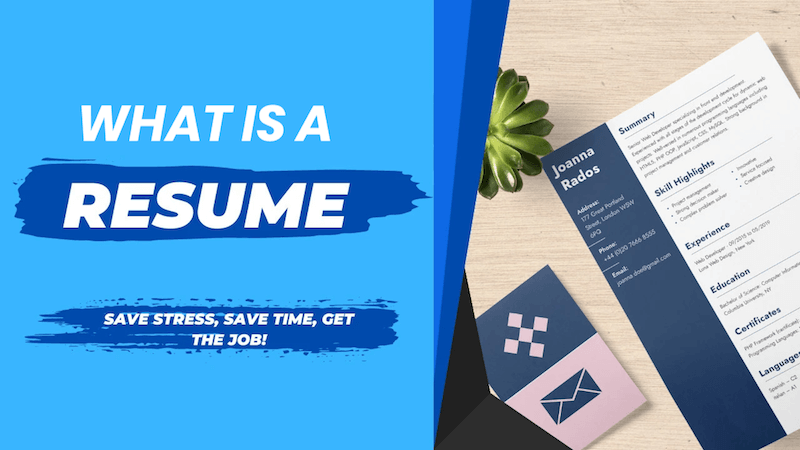
A Curriculum Vitae (CV) is more than just a professional document—it’s a comprehensive representation of your career journey. Whether you’re pursuing opportunities in academia, research, or medicine, a CV serves as an essential tool to showcase your experience, qualifications, and achievements. But what exactly is a CV, and how does it differ from a resume? Let’s dive into the details.
What is a Curriculum Vitae?
A Curriculum Vitae (CV) is an in-depth, detailed document that highlights your professional accomplishments, including your education, research, publications, work experience, presentations, and other relevant achievements. Unlike a resume, which is typically concise (usually one to two pages), a CV is expansive and can span multiple pages—sometimes over ten—especially for professionals with extensive experience in their field.
The purpose of a CV is to present a thorough account of your expertise, qualifications, and career history, helping potential employers, academic institutions, or funding bodies assess your capabilities. While in the U.S., CVs are mainly used for academic, research, and medical careers, outside the U.S., the term “CV” can sometimes refer to what is known as a resume.
Who Needs a Curriculum Vitae?
A CV is primarily used in specific fields where detailed academic, professional, or research experience is crucial. If you’re in the following areas, a CV is likely what you’ll need to submit:
- Academia: Professors, researchers, and students engaged in academic research rely on CVs to list their work, publications, and presentations.
- Medicine: Doctors, particularly those involved in research or teaching, need a CV to detail their career and achievements.
- Law: Lawyers who engage in research, teaching, or publish works may also require a CV.
- Research: Individuals with advanced degrees (such as PhDs) in research-heavy fields often use CVs to document their work and scholarly contributions.
In industries outside of academia and research, a resume is typically sufficient. However, if you’re unsure whether to submit a resume or CV, always check the job listing or ask the recruiter.
How to Write a CV
Creating a curriculum vitae involves several steps. Here’s a guide on what to include:
- Contact Information: List your name, address, phone number, and email.
- Education: Include details of your academic qualifications, starting with the most recent. Mention your degree(s), the institutions, and the dates you attended. For research-based fields, you may want to include a description of research projects you undertook during your studies.
- Work and Research Experience: Break down your professional journey by highlighting positions held, research projects, and any teaching roles. Use bullet points to list achievements and responsibilities. Include any key accomplishments or notable collaborations.
- Publications and Presentations: If applicable, list any scholarly articles, books, or papers you’ve published. Mention conferences where you’ve presented your work, including the event title, location, and type of presentation.
- Awards and Honors: Document any awards, scholarships, or recognitions you’ve received during your career.
- Professional Affiliations: Include memberships in relevant professional organizations, along with any leadership positions you may have held.
- Skills: If relevant, list your key skills, including technical, research, or language proficiencies.
- References: While not mandatory, you can choose to include a section for references. Alternatively, mention that references are available upon request.
Formatting Your Curriculum Vitae
When it comes to formatting your CV, clarity and consistency are key. Here are a few tips:
- Keep it Professional: Avoid flashy designs or graphics. While these might be suitable for resumes in creative industries, a CV is best kept simple and straightforward.
- Use Clear Section Headers: Ensure each section (e.g., Education, Work Experience) is clearly labeled for easy navigation.
- Be Consistent: Use the same font, style, and formatting throughout your document. This helps your CV look polished and professional.
- Focus on Readability: Ensure that the text is legible and well-organized, with plenty of white space between sections.
Tips for Updating Your CV
A CV is a living document, meaning it should be updated regularly as you progress in your career. Keep it current by adding new accomplishments, publications, or skills as they happen. This will save you time and effort when it’s time to apply for a new job or opportunity.
Why Language Proficiency Matters in Your CV
In today’s globalized job market, showcasing your language proficiency can make a significant difference in your CV. While English remains the dominant language for international business and communication, it’s essential to have proof of your English skills when applying for jobs in English-speaking countries or multinational companies.
A well-recognized certification such as the International English Test (IET) can enhance your CV by providing credible proof of your English language proficiency. The IET is a flexible and affordable online certification that evaluates your speaking and writing skills using AI-powered assessments. It aligns with the Common European Framework of Reference (CEFR), meaning you’ll receive a certification that clearly reflects your proficiency level, from A1 (beginner) to C2 (proficient).
By including an IET certificate on your CV, you demonstrate to potential employers that you have the necessary English communication skills required for the role. Whether you’re a student applying for internships or a professional seeking career advancement, the IET offers a convenient and internationally recognized way to validate your language skills.
Moreover, the IET provides certificates with customizable validity periods (1 year, 2 years, or lifetime), giving you the flexibility to choose based on your career or educational plans. This certification is gaining recognition among institutions and companies globally, making it a valuable addition to your CV.
Key Features of the International English Test (IET)
- Convenient Online Testing: Take the test at any time, from anywhere, making it ideal for busy students and professionals.
- AI-Powered Evaluation: Your speaking and writing skills are evaluated by advanced AI technology, ensuring accurate and unbiased results.
- CEFR-Aligned Certification: IET is aligned with the Common European Framework of Reference, allowing employers and educational institutions to easily understand your proficiency level.
- Widely Recognized: IET certification is increasingly accepted by institutions, employers, and businesses worldwide.
- Flexible Validity Periods: Choose from certificates valid for 1 year, 2 years, or a lifetime, based on your individual needs.
- Affordable and Accessible: IET provides a cost-effective and accessible certification option for anyone looking to prove their English language skills.
- Speaking and Writing Assessments: The test evaluates both your speaking and writing skills, covering pronunciation, fluency, grammar, and vocabulary.
- Ideal for All Levels: Whether you’re a beginner (A1) or highly proficient (C2), IET has tests tailored to all levels of English proficiency.
Conclusion
A Curriculum Vitae (CV) is a crucial document for professionals in certain fields, providing a detailed overview of their career history and achievements. Whether you’re applying for academic positions, medical roles, or research opportunities, a well-crafted CV can set you apart from the competition. By following a structured format and regularly updating your CV, you’ll always be ready to seize the next opportunity that comes your way.
If you want to strengthen your application further, don’t forget to include relevant certifications, such as the International English Test (IET), which can demonstrate your language proficiency and open doors to global opportunities.