
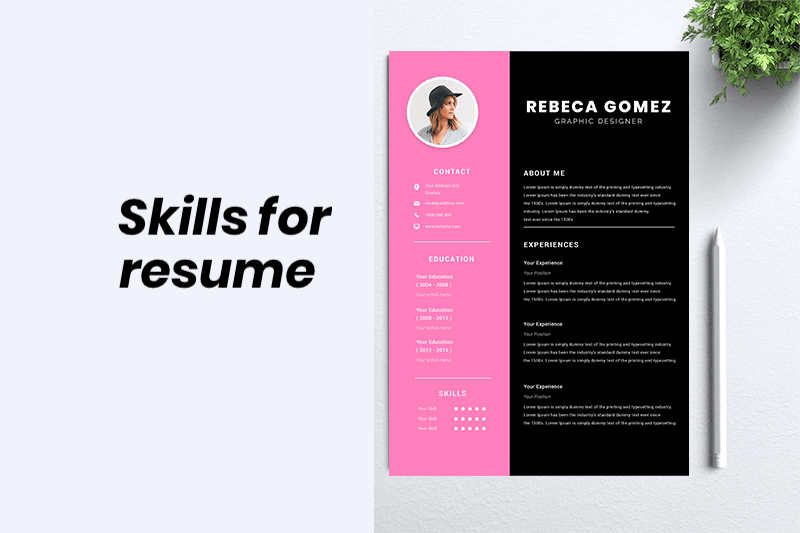
When applying for jobs, one of the most crucial aspects of your resume is the skills section. Whether you’re just starting your career, switching industries, or have years of experience, showcasing the right skills can make a significant difference. Recent surveys show that 75% of HR professionals identify a shortage of key skills among candidates, making it essential to highlight the right abilities in your resume.
In this article, we’ll explore over 100 top skills to include on your resume, including both hard and soft skills. These skills will help you stand out in any industry, whether you’re in marketing, IT, customer service, or healthcare. Additionally, we’ll discuss the importance of skills in resumes and how you can effectively incorporate them into your job application.
What Are Skills and Why Are They Important?
Skills are abilities that enable you to perform tasks effectively. These can be divided into two main categories:
- Hard Skills: These are teachable, measurable abilities specific to a job or industry, such as programming, data analysis, or machine operation. They are often acquired through education or training.
- Soft Skills: These are personal attributes that help you interact with others, such as communication, problem-solving, and leadership. Soft skills are transferable across industries and are essential in every job.
Including both hard and soft skills on your resume not only shows that you can perform specific tasks but also demonstrates how well you will fit into a work environment.
Top Skills to Put on Your Resume
1. Soft Skills for Resume
Soft skills are essential for workplace success and are valued by employers in every industry. These skills help you collaborate, communicate, and lead effectively in a work environment.
Examples of Soft Skills:
- Communication (written and verbal)
- Teamwork and collaboration
- Problem-solving
- Critical thinking
- Decision-making
- Time management
- Adaptability and flexibility
- Creativity
- Conflict resolution
- Interpersonal skills
- Leadership and management
- Emotional intelligence
- Active listening
- Empathy
- Negotiation skills
- Stress management
- Organizational skills
- Collaboration
These soft skills can make you an excellent candidate, regardless of the role you’re applying for.
2. Hard Skills for Resume
Hard skills are highly valued in technical, specialized, and hands-on roles. These skills show that you can perform specific tasks or use specialized software to meet job requirements.
Examples of Hard Skills:
- Technical/IT Skills: Programming languages (Python, JavaScript), software development, web development, data analysis, SQL, cloud computing, machine learning, cybersecurity
- Engineering: CAD, prototyping, testing, project launch, Lean Manufacturing
- Marketing: SEO/SEM, content marketing, social media management, PPC, data analysis, email marketing, CRM (Salesforce, HubSpot)
- Healthcare: Patient care, medical record-keeping, emergency care, wound dressing, medication administration, medical research
- Finance and Accounting: Budgeting, financial analysis, QuickBooks, tax preparation, auditing, financial modeling
- Sales and Customer Service: Product knowledge, lead qualification, customer relationship management, conflict resolution, salesforce tools
- Design and Creative: Adobe Photoshop, Illustrator, video production, typography, graphic design, photography, UX/UI design
- Languages: Spanish, French, Mandarin, sign language, Japanese
3. Domain-Specific Skills
These skills are tailored to specific industries and help candidates excel in particular job roles. Domain-specific skills are often the hard skills required in specialized fields like healthcare, engineering, IT, or marketing.
Examples of Domain-Specific Skills:
- Healthcare: Phlebotomy, patient assessment, blood pressure monitoring, rehabilitation therapy
- Information Technology: Web development, cloud management, debugging, Agile, and Scrum methodologies
- Finance and Accounting: Financial analysis, auditing, QuickBooks, Microsoft Excel
- Marketing: Social media management, email automation, copywriting, content marketing
- Sales: Lead generation, customer relationship management, market research, product positioning
4. Technical Skills
Technical skills are in high demand across various industries. These skills often include the ability to use software, technical tools, or machinery. They’re essential for jobs in engineering, IT, healthcare, and more.
Examples of Technical Skills:
- IT and Engineering: Database management, networking, programming languages (Java, Python), cloud computing, cybersecurity
- Healthcare: Electronic medical record systems (EMR), medical equipment operation, diagnostic testing, patient record systems
- Design and Media: Graphic design software (Photoshop, Illustrator), video editing, photography, typography
How to Effectively List Skills on Your Resume
Now that you know the types of skills to include, here are some tips for incorporating them into your resume:
1. Tailor Your Resume to the Job Description
The most effective way to list skills on a resume is by tailoring them to the job you’re applying for. Carefully read the job description and include the skills that are mentioned in the ad. This will help you match the job’s requirements and pass through applicant tracking systems (ATS) that scan resumes for keywords.
Example: If the job requires “problem-solving,” and you have experience in resolving complex customer issues, you should mention your problem-solving abilities in the skills section and within the work experience section.
2. Create a Separate Skills Section
A separate skills section on your resume makes it easy for hiring managers to spot your qualifications quickly. Categorize your skills into soft and hard skills to make them easy to read.
Example:
Skills
Soft Skills: Communication, Teamwork, Problem-solving, Leadership
Hard Skills: Data Analysis, Python, Microsoft Excel, SEO Optimization
3. Use Action Verbs and Quantify Achievements
Whenever possible, use action verbs and quantify your achievements to showcase your skills effectively.
Example:
- Led a team of 5 to increase sales by 30% over a 6-month period
- Managed customer relationships using Salesforce, improving customer retention by 25%
4. Showcase Transferable Skills
Even if you’re switching industries, highlighting transferable skills can be a huge advantage. Focus on skills that are valuable in any role, such as communication, problem-solving, and teamwork.
Example:
- Managed cross-functional teams and improved operational efficiency in a marketing role
- Used data analysis and project management skills in a non-technical job
5. Add Certifications and Courses
If you’ve earned certifications or completed courses relevant to the job you’re applying for, make sure to add them to your resume. For instance, certifications like the International English Test (IET), which proves your English proficiency, can be highly beneficial, especially for roles that require excellent communication skills.
Example:
Certifications:
- International English Test (IET): C1 Advanced Level
- Project Management Professional (PMP)
- Google Analytics Certified
Why Including Skills on Your Resume Matters
Skills are essential for showcasing your qualifications in a job application. They provide a quick and concise summary of what you can bring to the role and demonstrate to employers that you have the required abilities to succeed in the job. Properly highlighting your skills can increase your chances of landing an interview.
Moreover, many companies now rely on applicant tracking systems (ATS) to screen resumes. Including the right keywords and skills can help ensure your resume passes these systems and reaches the hiring manager’s desk.
Conclusion
In today’s competitive job market, including the right skills on your resume is crucial to getting noticed by recruiters. Whether you’re a recent graduate, an experienced professional, or transitioning to a new career, the skills you list can make a significant impact.
Additionally, certifications like the International English Test (IET), which evaluates your proficiency in English, can enhance your resume by demonstrating your language skills, particularly in roles that require strong communication abilities. By following the tips provided in this article and listing both hard and soft skills relevant to the job, you’ll be well on your way to creating a resume that stands out from the competition.
Good luck with your resume writing, and don’t forget to keep your skills updated and tailored for each application!