International English Test Editorial Team·20 Dec 2023·2 min read
Discover the names of games and sports in English, and grasp the distinctions between “play,” “do,” and “go” in this concise article. Learn now!
Today, I want to focus your attention on a compilation of names for physical games and sports in English. This doesn’t include board games, card games, or video games (apologies to the gamers). Familiarize yourself with this list, and you’ll be capable of naming various types of games, and perhaps even playing them with some practice. To provide a comprehensive understanding, we’ll delve into the verbs play, do, and go within the context of sports—a source of confusion for many English learners.
What is your English level?
Find out your A1 A2 B1 B2 C1 C2 level of English with our online test and receive your English certificate.
Use play for sports and games with a ball or an opponent, such as play tennis, play football, play golf and play basketball. Use go for activities that end in -ing, like go swimming, go cycling, go snowboarding and go bowling. Use do for individual sports without a ball or net, for example do gymnastics, do judo, do boxing and do athletics.
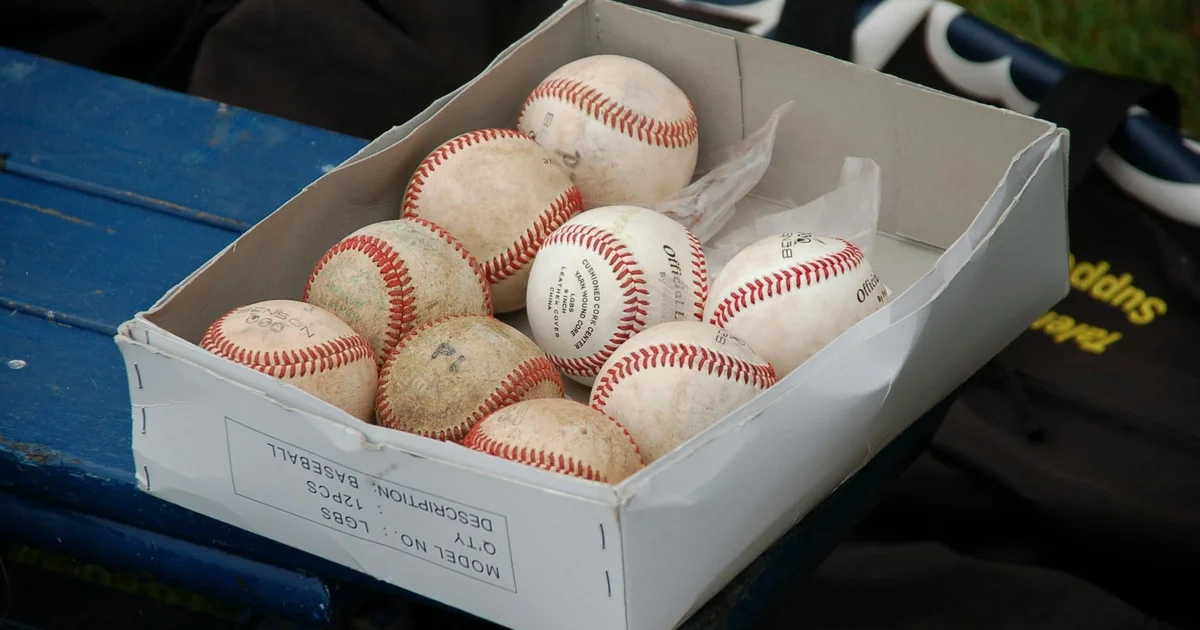
Say play football. Football is a team sport played with a ball against an opponent, so it takes the verb play, just like tennis, volleyball, basketball and baseball. You would never say do football. The verb do is reserved for individual activities such as gymnastics or judo, not for ball games with two competing sides.
It is go swimming. Activities whose names end in -ing usually take go, so you also say go cycling, go snowboarding, go cross-country skiing and go downhill skiing. Swimming is not played with a ball or against an opponent in the way team games are, which is why play does not fit and go is the natural choice.
Do works with individual sports and disciplines that have no ball and no opposing team, such as do gymnastics, do rhythmic gymnastics, do judo, do athletics, do archery and do weightlifting. These are activities you perform or practise on your own rather than play against someone, so do describes them more accurately than play or go.
No. The collection focuses only on physical games and sports such as figure skating, biathlon, fencing, curling and ice hockey. It deliberately leaves out board games, card games and video games. The aim is to help you name athletic activities and choose the correct verb, play, do or go, when you talk about taking part in them.
Use go with skiing and snowboarding because their names end in -ing. You say go downhill skiing, go cross-country skiing and go snowboarding. This follows the same pattern as go swimming and go cycling. Snow and ice activities that end in -ing all take go, which keeps them consistent and easy to remember.
Ice hockey is a team ball-style sport, so you play ice hockey. Curling is also played between two teams, so play curling works well. Bobsleigh is named as a noun rather than an -ing activity, so speakers often say do bobsleigh or simply compete in the bobsleigh. Matching the verb to the structure of the sport keeps your English natural.
International English Test Editorial Team
ALTE Associate Member · UK English assessment provider · Est. 2023