Autumn Idioms and Expressions
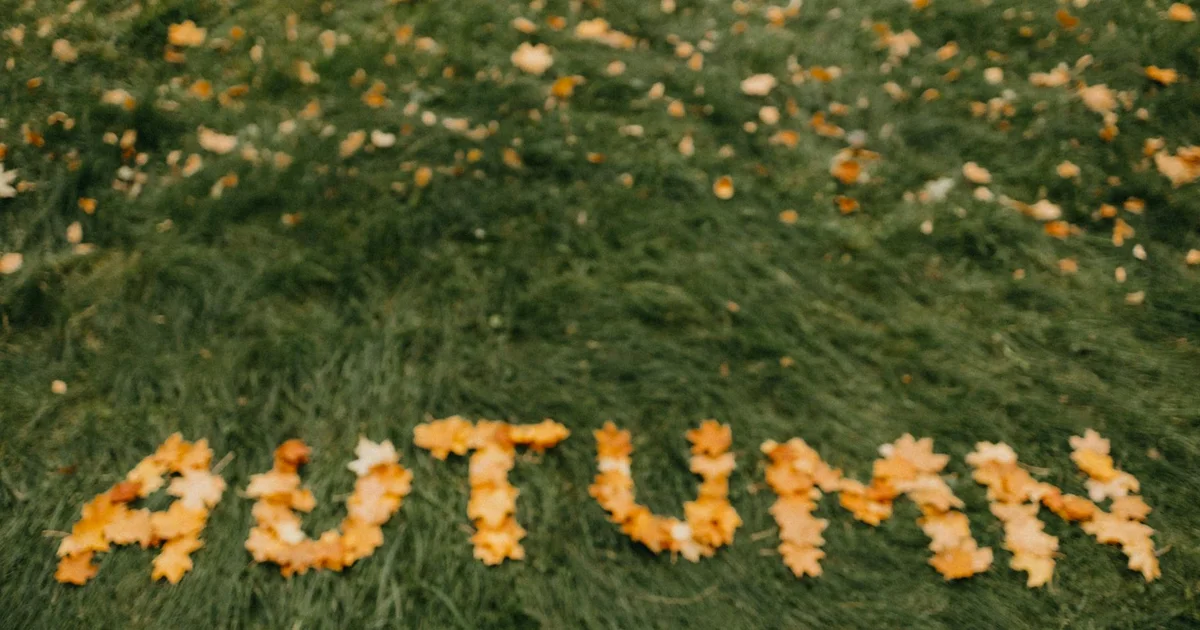
In England, autumn is linked with apple picking and nut harvesting, accompanied by rainy, misty weather and fallen leaves. Consequently, there are English idioms related to autumn incorporating these elements.
Today, we’ll explore seven English idioms associated with autumn.
Apple of (someone’s) eye
This idiom is employed to describe the person who is loved the most by someone.
For instance: Despite having five children, Paul has always considered Mary, his youngest daughter, as the apple of his eye.
What is your English level?
Find out your A1 A2 B1 B2 C1 C2 level of English with our online test and receive your English certificate.
- Take a leaf (or page) out of someone’s book
An idiom conveying the idea of “emulating someone’s example or imitating them in a specific way,” typically used in a positive context.
For example: After many days of hard work, Mike completed the project. You should take a leaf out of his book.
- Old chestnut
This idiom is employed to characterize a joke or story that has been repeated so frequently that it has become dull and uninteresting.
For example, Billy, please… Stop telling us this old chestnut. We’ve already heard that story so many times.
- Turn over a new leaf
This idiom signifies “initiating a positive change in behavior or adopting a more responsible attitude in one’s life.”
For example, I’m usually late for work, but starting tomorrow, I’m turning over a new leaf. I’m going to be on time from now on.
- Autumn years
This idiom alludes to the later stage of a person’s life, beyond middle age and nearing old age. This phase is likened to autumn because, similar to autumn being near the end of the year, an elderly person is close to the end of their life, and just as summer is already gone, an elderly person’s prime years are in the past.
For example, Andy happily spent his autumn years with his wife Matilda in their house by the sea.
- To squirrel something away
We’re done with leaves, nuts, and apples. Now, let’s move on to squirrels!
The English idiom “to squirrel something away” means to store, hide, or accumulate something, as squirrels do with nuts.
For example, Naomi squirrelled away a lot of money while she was working as a waitress, so now she can buy a new car for her mother.
- Lost in the mists of time
This phrase is used to describe events that occurred so long ago that they are now lost and forgotten in the past.
For example: Unfortunately, the origin of this tradition has been lost in the mists of time.
“Autumn is a second spring when every leaf is a flower.” – Albert Camus
Today, you’ve acquired knowledge of seven English idioms connected to autumn, enhancing your vocabulary with some engaging idiomatic expressions.
Are you C1 Advanced English?
Get your C1 Advanced English certificate now!
✓ Add your certificate to your resume
⭐ ⭐ ⭐ ⭐ ⭐
Frequently Asked Questions

International English Test Editorial Team
ALTE Associate Member · UK English assessment provider · Est. 2023
Found this helpful? Share it: