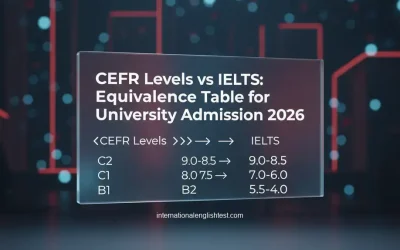
CEFR Levels Explained: Master Every Stage Effortlessly with a thorough understanding of the Common European Framework of Reference for Languages (CEFR). This system classifies language proficiency into six levels, offering a comprehensive roadmap for learners. Whether you’re a beginner aiming to improve your skills or advanced seeking to polish them, gaining clarity on each stage can significantly enhance your learning journey. 👉 Test your English level to see where you stand and set targeted language goals using this CEFR conversions: ultimate guide to effortless mastery.
Understanding CEFR Levels
The CEFR framework is divided into six levels: A1, A2, B1, B2, C1, and C2. Each level is designed to guide learners in their language acquisition, ensuring a structured and efficient learning process.
Beginner Levels
A1: Breakthrough
– Skills Developed:
– Introduction to basic expressions.
– Ability to engage in simple conversations.
– Understanding and using everyday phrases.
A2: Waystage
– Skills Developed:
– Handling simple, routine tasks.
– Communicating in straightforward situations.
– Describing basic aspects of your background.
Intermediate Levels
B1: Threshold
– Skills Developed:
– Engaging in conversations on familiar topics.
– Dealing with most situations while traveling.
– Writing simple text on topics of personal interest.
B2: Vantage
– Skills Developed:
– Clear and detailed expression of ideas.
– Understanding the main ideas in complex texts.
– Interacting with native speakers fluidly.
Advanced Levels
C1: Effective Operational Proficiency
– Skills Developed:
– Highly developed fluency.
– Producing comprehensive, well-structured text.
– Understanding implicit meaning with ease.
C2: Mastery
– Skills Developed:
– Effortless comprehension of spoken and written language.
– Expressing oneself precisely in complex situations.
– Summarizing information from various sources coherently.
The Benefits of CEFR-Aligned Certification
Achieving certification aligned with CEFR levels validates your language proficiency globally. Institutions and employers often require such certifications, making them an essential asset for career and academic opportunities. For a cost-effective and flexible English proficiency assessment, consider the International English Test (IET). This test provides a reliable, CEFR-aligned evaluation, fostering global recognition.
Why Choose International English Test (IET)?
– Accurate Evaluations: With AI-powered assessments, receive fair and swift feedback on your speaking and writing abilities.
– Recognition and Flexibility: Trusted worldwide, IET offers instant results and flexible test scheduling.
– Customizable Certification: Tailor your certificate’s validity period, making it ideal for various professional and academic needs.
FAQ
What are the main objectives of CEFR?
The CEFR aims to provide a transparent, cohesive framework for language skills assessment. It aids educators and learners in setting and achieving language proficiency goals effectively.
How can I determine my current CEFR level?
Taking a structured assessment like the 👉 International English Test (IET) will offer insights into your current proficiency level, suggesting areas for improvement.
Is CEFR recognized internationally?
Yes, the CEFR is recognized globally by educational institutions and employers, forming a standard for evaluating language skills.
CEFR Levels Explained offers a pathway to mastering any language. By understanding each level’s requirements and benefits, language learners can tailor their studies for maximum efficiency and success. When it comes to English, choosing an affordable and globally recognized certification such as the International English Test (IET) ensures your skills are formally acknowledged. Begin your English language journey today and explore the world of opportunities it unveils.